Transit & Mall Media
Media that travels with your audience or waits where they already stand — buses, autos, cabs, mall atriums and kiosks.
- Reaching a city's interior roads a hoarding cannot cover
- Frequency campaigns on a modest budget
- Targeting a specific catchment or mall footfall
Illumination
Pricing
Quoted per site
A single starting price would be wrong for most sites in this format. Tell us the city and we send the real rate for each available board — usually the same day.
Get the rate| Size | Area / type | Typical use |
|---|---|---|
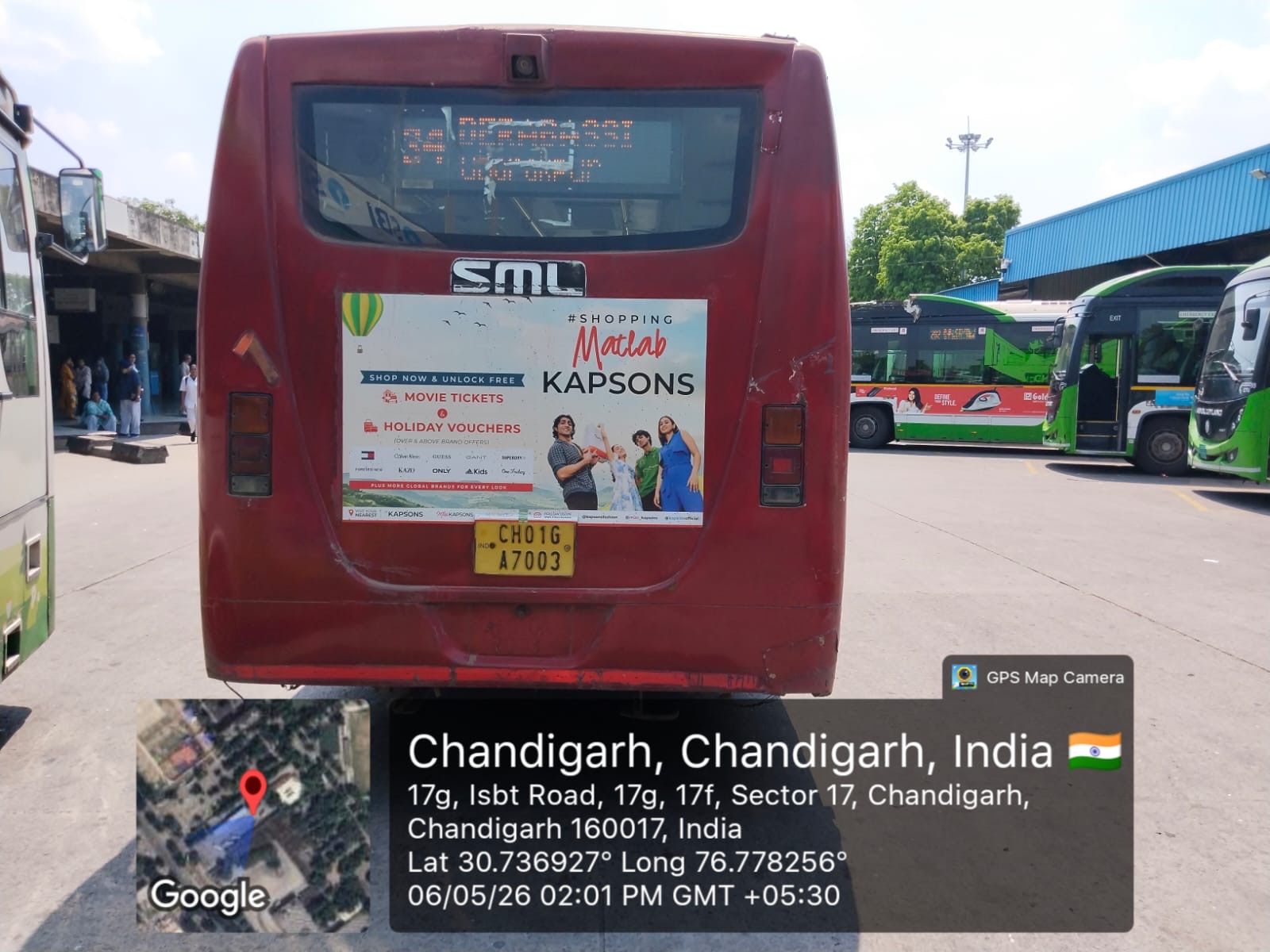
| Bus back panel | 8 × 4 ft | Seen by following traffic all day |
| Bus full wrap | Vehicle spec | The highest-impact transit format |
| Auto rickshaw hood | 3 × 2 ft | Dense coverage of interior roads |
| Cab branding | Vehicle spec | Doors, rear glass, headrest |
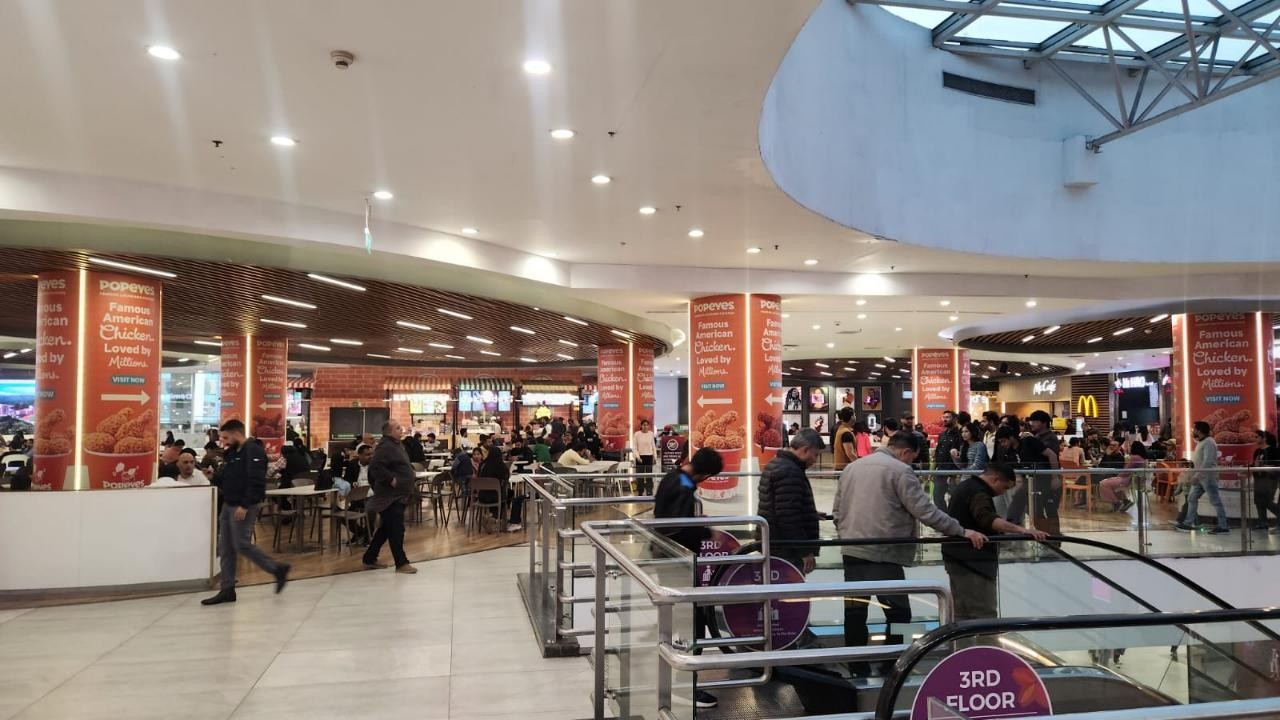
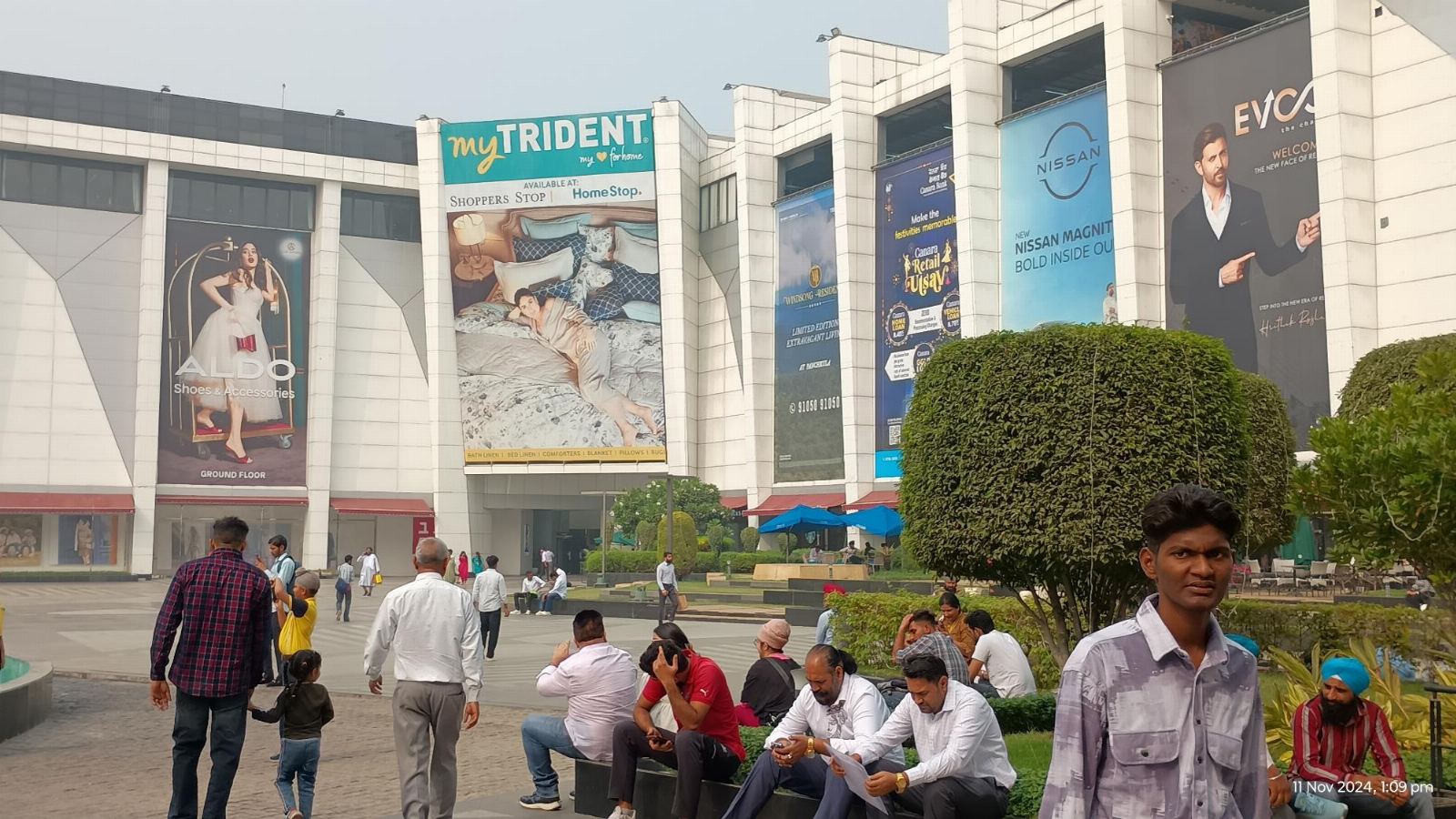
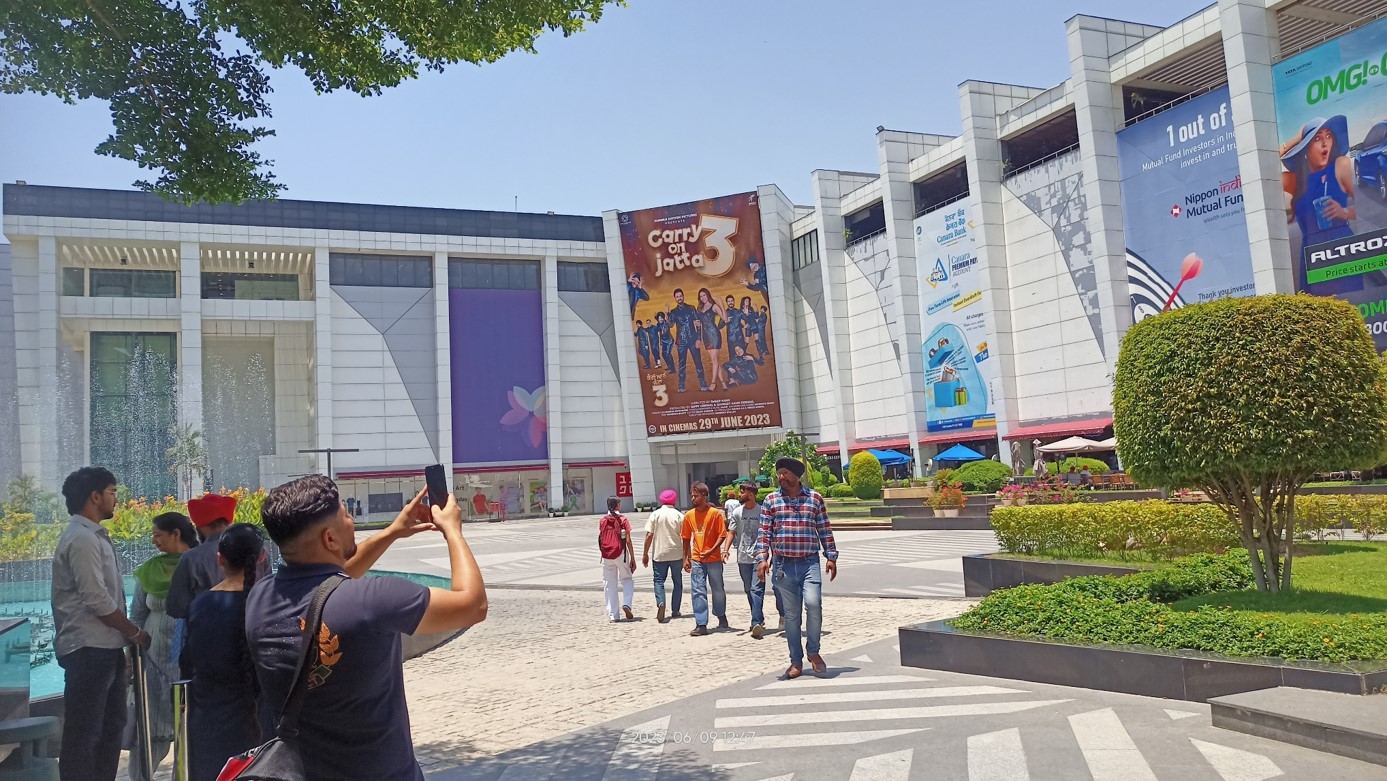
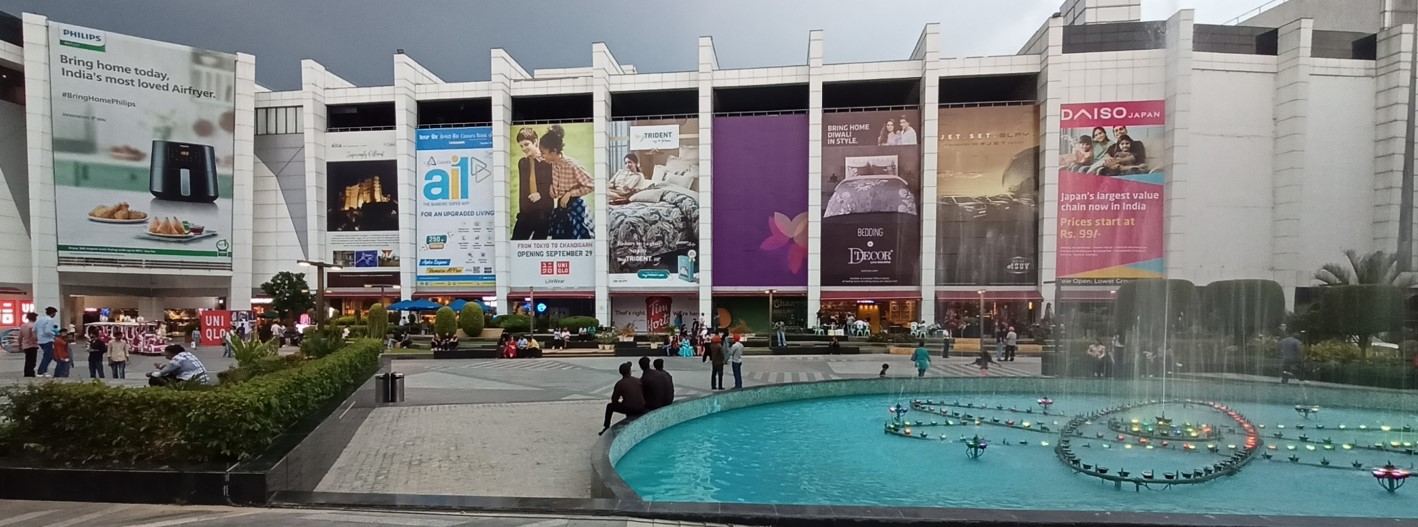
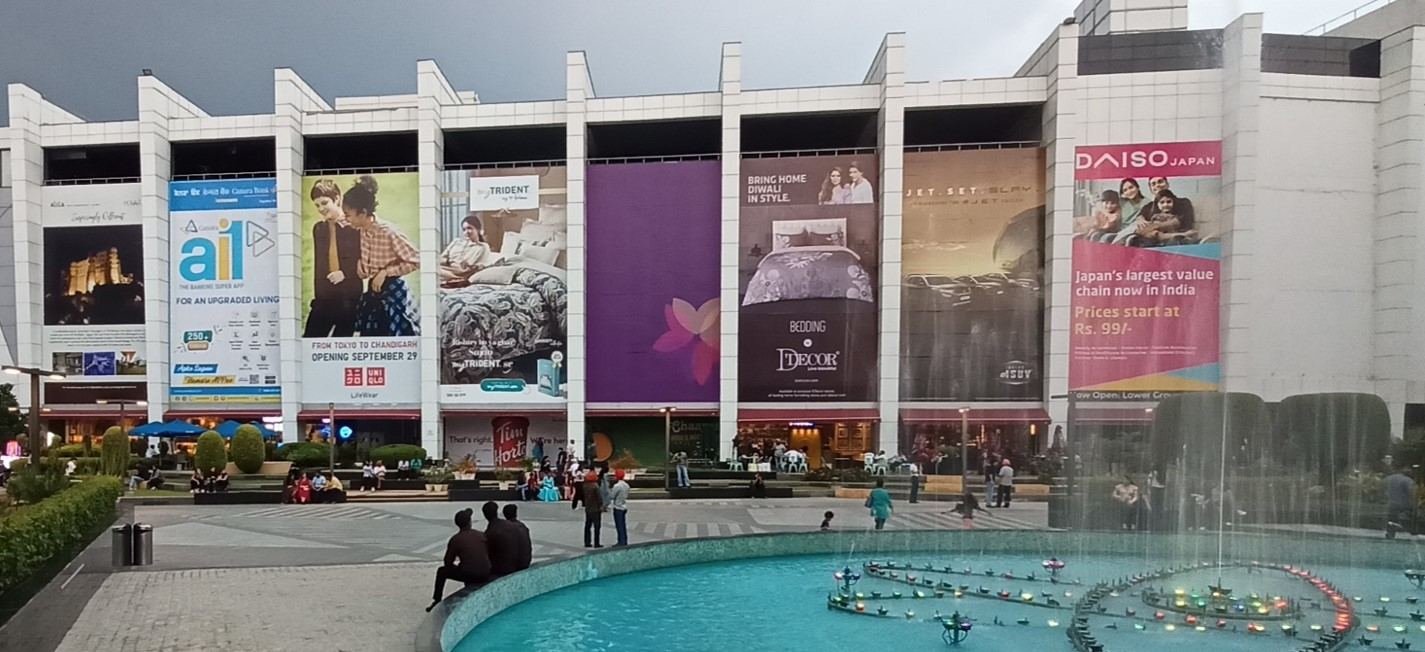
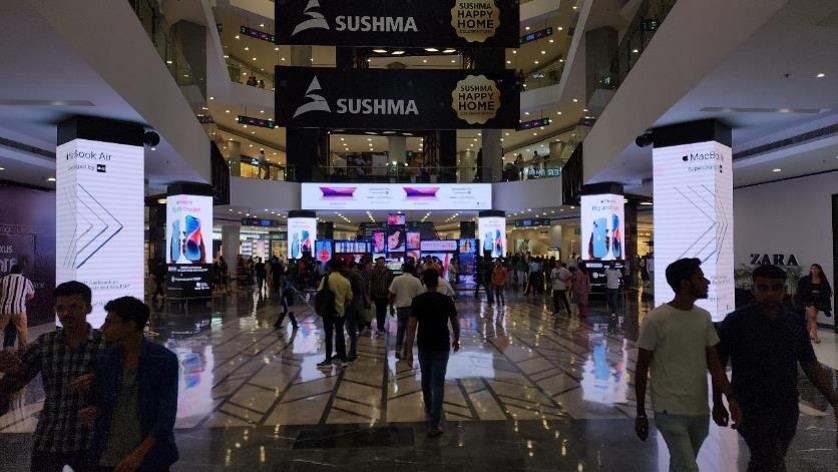
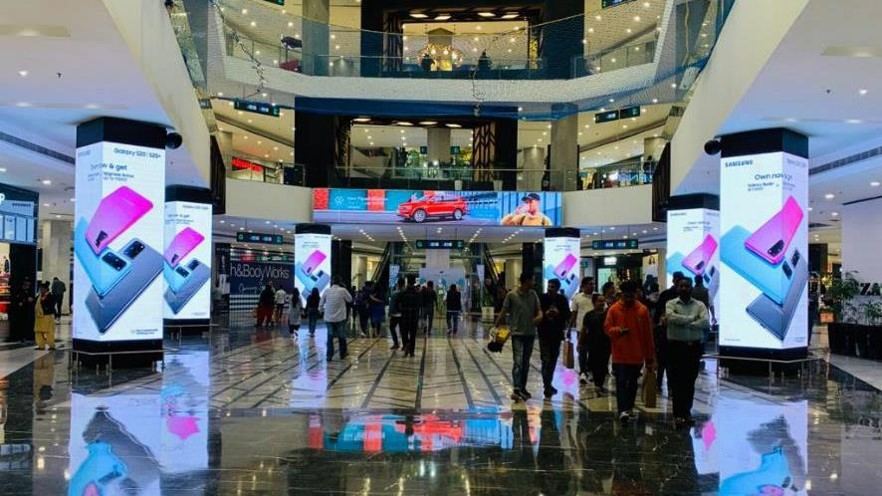
| Mall atrium | Site specific | Drops, pillar wraps, floor graphics |
| Kiosk | 6 × 3 ft | Concourse and corridor positions |
Choosing a transit format
- Buses
- Follow a fixed route through the busiest corridors. Best for city-wide frequency.
- Autos
- Go everywhere buses do not, including narrow market lanes. Cheapest cost per vehicle.
- Cabs
- Skew to airport routes, offices and malls. Reaches a higher-spend audience.
- Mall media
- Zero travel, full attention, and a captive audience already in a buying mood.
For a visible city presence, 40–60 autos or 15–20 buses is the usual starting point. We will size it against your budget and the catchment.
Every vehicle is photographed at fitting, and we run spot audits through the campaign with geotagged photographs.
Yes — we allocate by route and depot, so you can concentrate on one zone.
Mall inventory is booked through the mall's own approval process, which we handle. Lead time is typically two weeks.